
How to Create a Wedding Day Photography and Videography Timeline
A good wedding timeline should help you enjoy the celebration—not make you feel as though you are being chased from one photograph to the next.
For most full wedding days, photography and videography coverage lasts around eight to ten hours. The right schedule depends on your ceremony time, sunset, venue layout, travel, guest count, traditions and whether you are planning a first look. The goal is to give every important part of the day enough space while adding breathing room for the little delays that nearly always happen.
You do not need to work this out alone. Your planner, venue and creative team should coordinate the schedule with you. As part of The Process & Packages, I help couples build a realistic photography and film timeline around the moments that matter most to them.
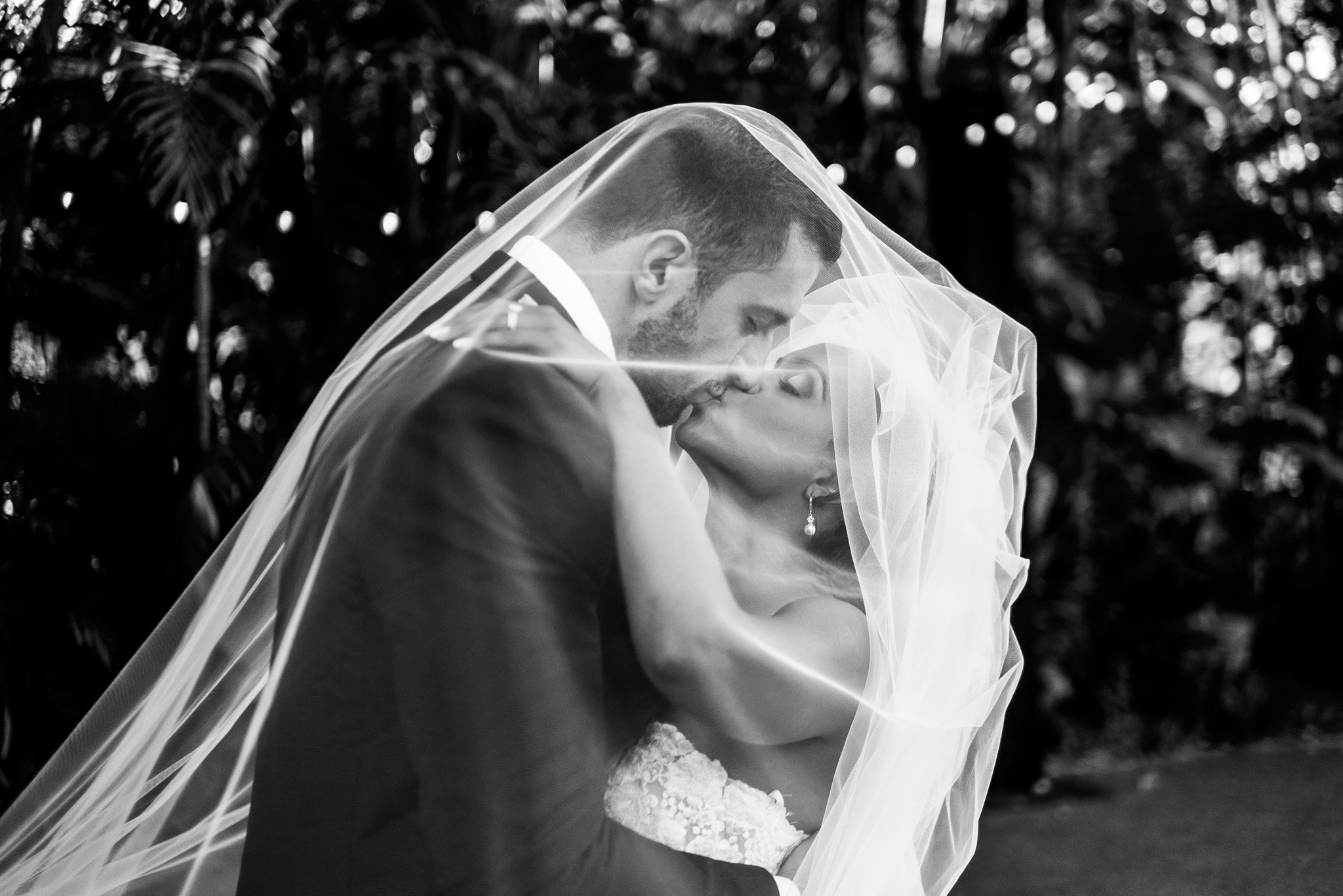
How much time should you allow for wedding photography and video?
These are useful starting points rather than strict rules:
Details and getting ready: 60–90 minutes
Getting dressed: 20–30 minutes
First look: 20–30 minutes
Wedding-party photographs: 20–30 minutes
Immediate-family photographs: 20–40 minutes
Couple portraits: 30–45 minutes in total
Reception-room details: 15–20 minutes before guests enter
Sunset portraits: 10–15 minutes
Those blocks cannot simply be placed back-to-back. You may also need time for travel, walking across a large resort, hiding before the ceremony, refreshing makeup, gathering family members and moving equipment between locations.
That is why a timeline with ten or fifteen minutes of buffer around major transitions usually feels much better than a schedule in which every minute has already been promised.
Getting-ready photography and videography: 60–90 minutes
Your creative team does not normally need to arrive when hair and makeup begin. An hour of photographs showing curlers being fitted is probably more historical documentation than anyone needs.
It usually works better for us to arrive when hair and makeup are approaching their final stages. That gives us time to capture:
Your dress or suit and important details
Rings, invitations, shoes, jewelry and personal items
Final hair and makeup touches
Candid moments with your closest people
Both partners getting dressed
A first look with a parent or wedding party, if planned
Try to have personal items gathered in one place before the team arrives. The room does not need to look like a magazine set, but keeping the area around the best window reasonably clear makes photographs and filming much easier.
If both partners are getting ready in different locations, the schedule will need to account for travel or provide enough team members to cover both preparations at the same time. My guide to deciding whether you need a second photographer or videographer explains when additional coverage is genuinely helpful.
Getting dressed: 20–30 minutes
Allow more time for getting dressed than you think you will need. Dresses with buttons, veils, unfamiliar cuff links and enthusiastic groups of helpers can all turn a five-minute task into twenty.
Anyone helping you should ideally be dressed first. Hair and makeup should also aim to finish earlier than the time shown for getting dressed—not at exactly the same time. A 20- or 30-minute cushion can stop a delay in the morning from affecting the ceremony, portraits and reception.
Should you have a first look?
A first look is a private moment when you see each other before the ceremony. It is optional, not an obligation disguised as photography advice.
It can be helpful when you want to:
Spend a few quiet minutes together before guests arrive
Complete wedding-party and immediate-family photographs before the ceremony
Enjoy more of cocktail hour
Create a calmer schedule when daylight is limited
Visit a portrait location before the ceremony
Allow approximately 20–30 minutes for the first look itself and a moment to take everything in. Couple portraits can follow, with wedding-party and family photographs afterward.
If the aisle reveal matters more to you, skip the first look. We can build a relaxed schedule around that choice too; it simply means most group photographs and couple portraits will happen after the ceremony.
Wedding-party photographs: 20–30 minutes
Twenty to thirty minutes is usually enough when everyone knows where to meet and the number of combinations is realistic. Very large wedding parties, multiple locations or elaborate individual requests will need longer.
Ask everyone involved to be dressed and ready before the scheduled start. One missing person can hold up the whole group, particularly when nobody knows whether they are in the restroom, at the bar or conducting a detailed investigation into the whereabouts of a boutonniere.
Family photographs: 20–40 minutes
Family photographs are important, but they do not need to consume your entire cocktail hour.
Prepare a concise list of the essential combinations before the wedding. Start with grandparents and anyone who finds standing difficult, then work through the larger groups before releasing people who are no longer needed.
It also helps to nominate one person from each side of the family who knows everyone and can gather the next group. Your photographer can organize the photographs, but identifying a cousin they have never met in a crowd of 150 guests is a different skill entirely.
Allow around 20 minutes for a short immediate-family list and closer to 40 minutes for larger families, multiple households or important extended-family combinations.
Couple portraits: 30–45 minutes in total
You do not necessarily need one long portrait session. Splitting the time can make the day feel more natural:
A few portraits after the first look
A short session after the ceremony
Ten or fifteen minutes in softer light near sunset
A quick evening portrait after the reception has started
This creates variety without taking you away from your guests for a large part of the celebration. My approach to South Florida wedding photography combines relaxed direction with space for the real interactions happening around you.
Protect ten to fifteen minutes for sunset portraits
South Florida sunsets can be beautiful, but the best light does not wait because dinner is running late.
Check the sunset time for your exact date and location before finalizing the schedule. Depending on the venue, weather and surroundings, we may recommend stepping outside before sunset rather than at the precise time shown online.
You do not need to disappear for an hour. A planned 10- or 15-minute session can be enough to create a very different set of photographs and film footage. Treat that time as part of the schedule rather than an optional idea you hope to squeeze in later.
Give the team time to capture the reception room
If you want photographs and video of the finished reception space, schedule 15–20 minutes after the room is fully set but before guests enter.
This can be difficult when vendors are still completing the tables as cocktail hour ends. Ask your planner, venue, florist and creative team to agree on when the room will be ready and when guests will be invited inside.
The room does not need to remain untouched for long. We simply need a brief window to document the overall design, tables, cake, place settings and personal details before jackets, handbags and half-finished drinks become part of the decor.
Sample wedding timeline for a 5:00 p.m. ceremony with a first look
This example assumes that getting ready, the ceremony and reception are at one venue. It must be adjusted for your sunset, traditions and actual plans.
1:00 p.m. — Photography and videography begin: details, venue establishing footage and final preparation
2:00 p.m. — Getting dressed: finishing touches and individual portraits
2:30 p.m. — First look: private moment followed by couple portraits
3:10 p.m. — Wedding-party photographs
3:40 p.m. — Immediate-family photographs
4:15 p.m. — Hide from arriving guests, refresh and take a break
5:00 p.m. — Ceremony
5:30 p.m. — Congratulations and any remaining family photographs
5:50 p.m. — Cocktail hour: candid guest coverage and reception-room details
6:15 p.m. — Short sunset portrait session: adjusted to the actual sunset time
6:45 p.m. — Reception entrance and first dance
7:00 p.m. — Dinner and speeches
8:15 p.m. — Parent dances, cake or other planned traditions
8:30 p.m. — Open dancing
9:00 p.m. — Eight hours of coverage complete
If you want longer dance-floor coverage, a formal exit or late-night entertainment documented, nine or ten hours may fit better.
Sample wedding timeline without a first look
If you want to see each other for the first time during the ceremony, keep the morning relaxed and protect more time after the ceremony:
1:30 p.m. — Photography and videography begin
2:30 p.m. — Both partners get dressed
3:00 p.m. — Separate wedding-party photographs
3:40 p.m. — Separate immediate-family photographs where practical
4:15 p.m. — Final preparations and break before the ceremony
5:00 p.m. — Ceremony
5:30 p.m. — Remaining family and wedding-party photographs
6:00 p.m. — Couple portraits
6:25 p.m. — Reception details and cocktail-hour coverage
6:45 p.m. — Reception entrance
This version works best when the family list is organized and portrait locations are close to the ceremony. If sunset is early, the ceremony may need to begin sooner or some portraits may need to happen indoors or after dark.
How photography and videography work together on the timeline
Photography and video document the same day, but they do not always need the same thing at the same moment.
Your videographer may need time to position microphones before the ceremony, record establishing footage or capture clean audio from personal vows. Your photographer may be organizing family groups while another team member films cocktail-hour interactions. During speeches, both teams need clear sightlines and enough space to work without appearing in each other's frames.
Booking a coordinated team can make this easier because the coverage is planned together. If you are deciding whether film belongs in your plans, read Is a Wedding Videographer Worth It If You Already Have a Photographer?. You can also explore my approach to wedding videography in South Florida.
If you are booking separate companies, introduce them before the wedding and send both the same final schedule. They should also know about surprises, private vows, special performances and any restrictions affecting the ceremony.
South Florida wedding timeline considerations
South Florida adds a few practical variables that generic timeline templates often miss.
Sunset changes throughout the year
Do not assume that sunset will happen at roughly the same time as it did at a friend's wedding in another season. Look up the time for your date and venue, then build portraits around the available light.
Afternoon rain can arrive quickly
Outdoor plans need a realistic covered or indoor alternative. A rain plan should identify where the ceremony, family photographs and couple portraits can happen—not simply say that everyone will “move inside.”
Heat and humidity affect the pace
Allow time for water, makeup touch-ups and short breaks, particularly when portraits take place outdoors. Trying to rush through a long list in direct sun rarely makes anyone feel relaxed.
Traffic and large resorts require extra time
Travel between a hotel, church and reception venue must include loading, parking and walking—not just the driving time shown on a map. Even when the entire wedding is at one resort, moving between distant suites, gardens, waterfront areas and ballrooms can take longer than expected.
Cultural and religious traditions need their own space
Tell your photographer and videographer which traditions are planned, approximately how long they last and who will be involved. Do not squeeze an important ceremony into whatever time remains after a generic portrait schedule has been created.
What happens when the wedding runs late?
Small delays are normal. The best protection is not a rigid schedule—it is a realistic one with clear priorities and buffer time.
If the day begins to slip, your planner and creative team can adjust by:
Simplifying non-essential photograph combinations
Moving some portraits to a later part of the day
Capturing reception details while another team member covers cocktail hour
Splitting the couple session into shorter blocks
Coordinating announcements and speeches with the venue or DJ
The ceremony, meaningful traditions and the moments you care about should remain the priority. A strong team will adapt without making you spend the day watching the clock.
How many hours of coverage do you need?
As a general guide:
Six hours: Smaller weddings, one location or limited preparation and reception coverage
Eight hours: Many traditional weddings with getting ready, ceremony, portraits and part of the reception
Ten hours: Longer celebrations, multiple locations, substantial travel, cultural traditions or extended reception coverage
Coverage should follow the story you want documented. Before choosing a collection, decide whether you want both partners getting ready, the full ceremony, speeches, open dancing, sunset portraits and any planned exit.
If you are comparing your options, explore the available wedding photography and videography services and prepare these questions for your wedding photographer and videographer.
A simple wedding timeline checklist
Before finalizing the schedule, confirm:
Your exact ceremony time and expected duration
The sunset time at your venue
Whether you are having a first look
Where each partner will get ready
Travel and walking time between every location
Which family combinations are essential
Any cultural, religious or personal traditions
When the reception room will be finished
The order and approximate length of speeches
Whether you want sunset portraits, an exit or late-night coverage
The rain plan and indoor portrait options
Who will keep vendors and family members informed on the day
Share the final version with your planner, venue, hair and makeup team, transportation provider, DJ, photographer and videographer. Everyone should work from the same schedule.
Let’s build a timeline that leaves room for the wedding
Your wedding day should not feel like a production schedule with a marriage squeezed into the middle. Good planning protects the photographs and film you care about while leaving room for conversations, emotion, unexpected moments and actual fun.
Tell me your date, venue and what you want documented. I will help you create a realistic plan and choose the coverage that fits the way your celebration will unfold. You can start by exploring The Process & Packages or getting in touch about your wedding.